
Using dental implants as a tooth replacement
Dental implants are titanium posts used by a dentist to replace one, several, or all the teeth in the smile. Golden, Colorado, area patients who are faced with tooth loss can learn more about this option and if they are suitable candidates with our team at Dentistry at Golden Ridge.
How can dental implants restore missing teeth?
Dr. Jamie Richard of Dentistry at Golden Ridge can educate patients on how dental implants are used to replace one or more teeth.
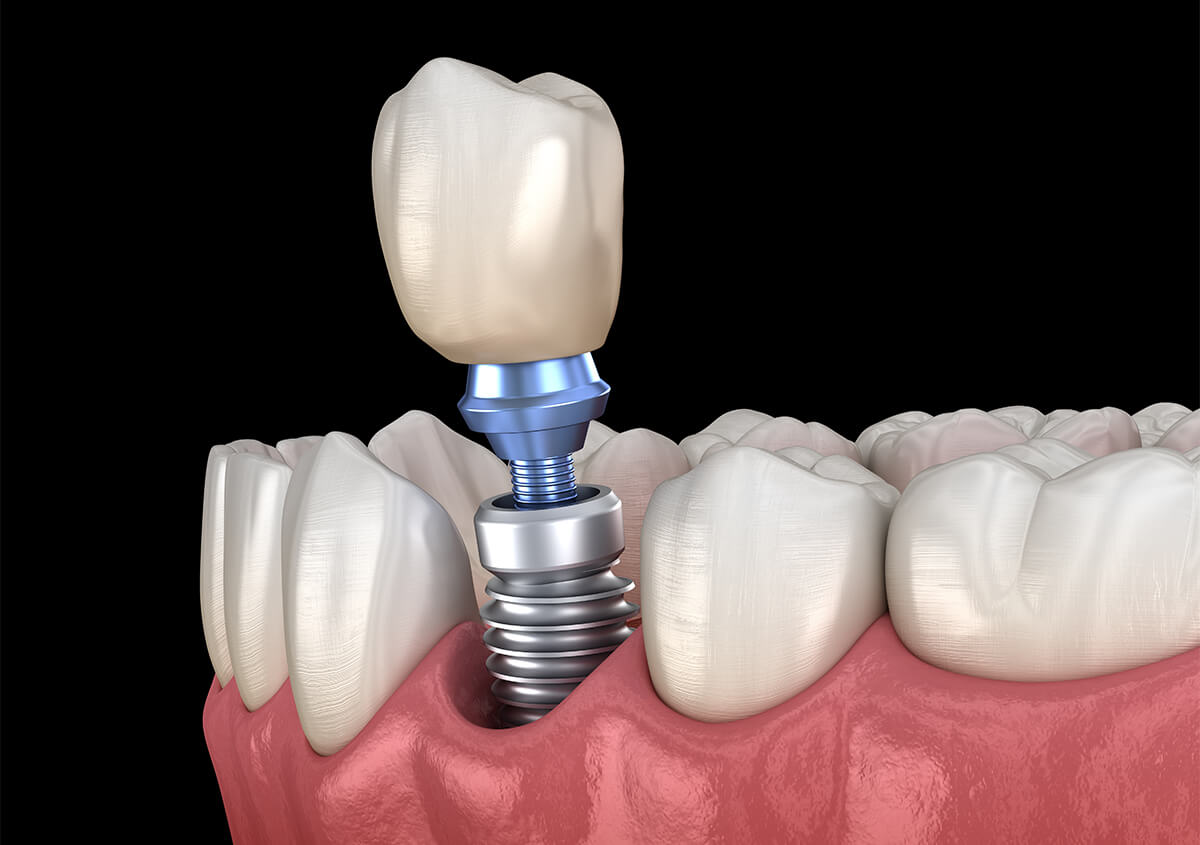
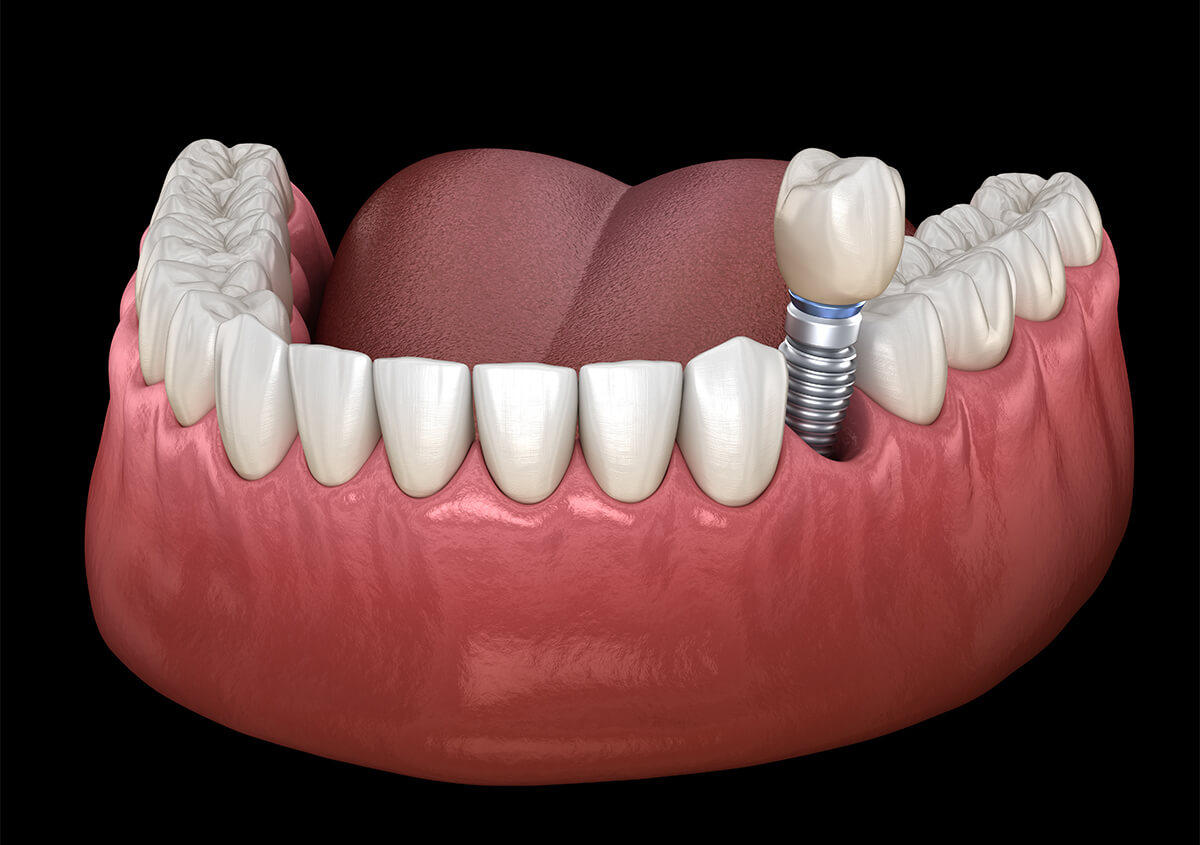
- Replacing one tooth. If a patient needs to replace a single tooth, a single-tooth dental implant can be inserted into the area where the tooth once was and then restored over the abutment with a dental crown. The dental crown is customized to match the color, shape, and size of the natural teeth to ensure it blends with the smile and the bite, and looks as natural as possible
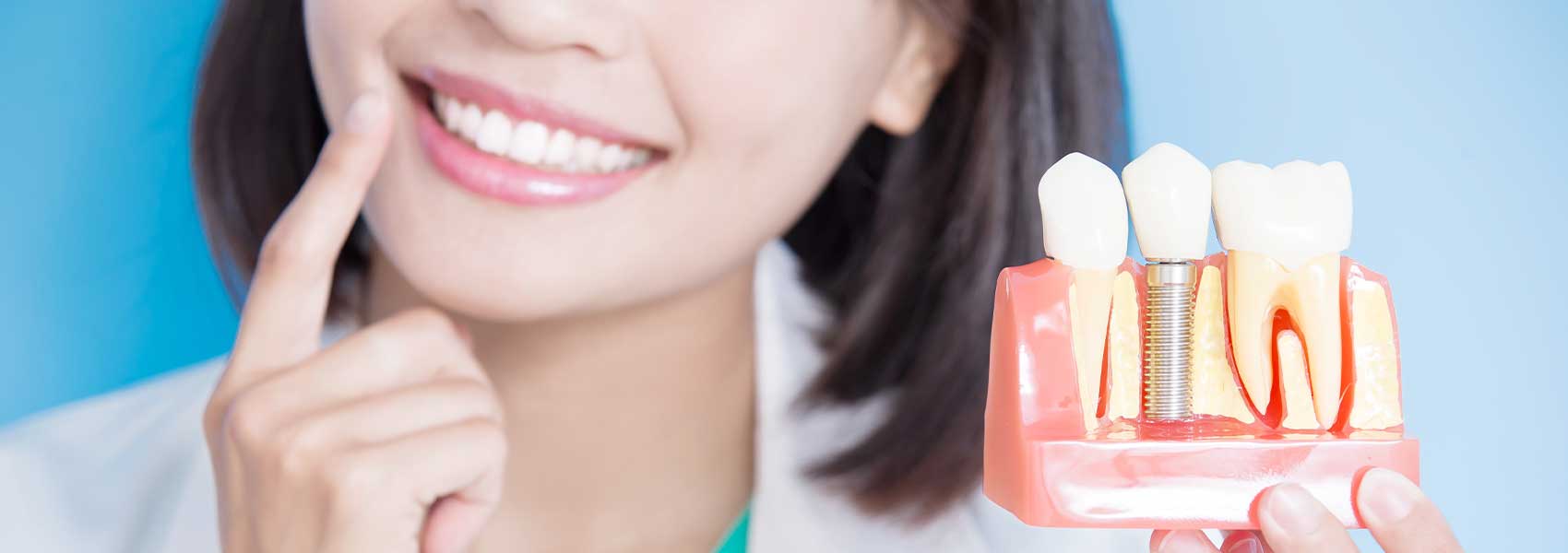
- Replacing several teeth. If a patient has several teeth in a row missing from the dental arch, the placement of one or two dental implants on each side to hold a dental bridge in place may be required. Dental bridges typically use surrounding teeth for support, but if teeth are not readily available to do so, dental implants may be used
- Replacing an entire dental arch. While full dentures used to be a common way to replace all the teeth in the dental arch, they are now much better solutions. Patients might not like the discomfort of using messy dental adhesives to keep their dentures in place or may find it impossible to enjoy some of their favorite foods. With several implants along the dental arch, teeth can be secured onto the implants for optimum stability and function and these restorations do not come in and out at night. These are sometimes called “full-mouth dental implants” or “hybrid dentures.”
Real Patients, Real Results Dentistry at Golden Ridge – Before and After Images of Patients
Dental Implants
Dental implants are titanium roots, that are replaced with in the jawbone to resemble a tooth or group of teeth. A screw is inserted through the gums and into the jawbone. A porcelain crown is then attached to the screw to become the new tooth or teeth. They can be used to support dental prosthesis including crowns, dentures, and bridges. Today’s treatments are so natural looking, no one will know you had surgery. There’s approximately a 95% success rate for all implants. With modern advances in dentistry, some implants can be restored immediately with life like all-porcelain crowns. For more details ask your dentist.
Dental Implants FAQs
What are dental implants, and how do they work?
Dental implants are a long-term solution for replacing missing teeth using a small titanium post placed in the jawbone. This post acts as an artificial tooth root and supports an abutment and custom dental crown. Over time, the implant fuses with the jawbone through a process called osseointegration, creating a stable foundation. Compared to removable options, implants provide greater stability, comfort, and a natural feel.
Who is a good candidate for dental implants?
Good candidates for dental implants generally have healthy gums, good overall health, and adequate jawbone density. Patients should be committed to maintaining daily oral hygiene and attending regular dental visits. Certain medical conditions or medications may require additional planning, but age alone is rarely a limiting factor. A thorough evaluation with Dr. Richard and the team helps determine individual suitability.
What is the typical process and timeline for getting dental implants?
The implant process begins with a consultation and treatment planning. Implant placement is followed by a healing period that allows the implant to integrate with the bone, which may take several months. Once healing is complete, the final crown is attached. Timelines vary depending on bone health and whether additional procedures are needed, but careful adherence to instructions supports successful outcomes.
Are dental implants safe, and what are the risks involved?
Dental implants are a well-established and predictable treatment option. As with any surgical procedure, risks such as infection, nerve irritation, or implant failure can occur, though they are uncommon. These risks are minimized through proper planning, sterile techniques, and follow-up care. Choosing an experienced provider like Dr. Richard significantly reduces complications.
How should I care for my dental implants post-surgery?
Post-surgical care includes keeping the area clean, avoiding hard or chewy foods for a short time, and following any medication instructions provided. Gentle brushing and flossing are essential once healing progresses. Regular professional cleanings help maintain implant health. We may also recommend specific tools, such as interdental brushes, to support long-term success.
How long do dental implants last, and do they require special maintenance?
With proper care, dental implants can last decades and often a lifetime. They do not require special maintenance beyond consistent brushing, flossing, and routine dental visits. Factors such as smoking, uncontrolled gum disease, or poor oral hygiene can shorten their lifespan. Ongoing care plays a major role in long-term success.
What are the costs associated with dental implants, and does insurance cover them?
The cost of dental implants varies depending on the number of implants, the materials used, and whether preparatory procedures are required. Some insurance plans may offer partial coverage, particularly for the crown portion. Patients are encouraged to verify benefits and discuss financing options. A detailed estimate helps clarify investment and value.
Will dental implants feel like natural teeth?
Dental implants are designed to look, feel, and function like natural teeth. Because they are securely anchored in the jawbone, they offer stability comparable to natural tooth roots. Most patients report that implants quickly feel like part of their smile. This stability supports confident eating and speaking.
Can dental implants help preserve jawbone health?
Yes, dental implants stimulate the jawbone in a way similar to natural teeth. This stimulation helps prevent bone loss that commonly occurs after tooth loss. Preserving bone structure supports facial shape and long-term oral health. Dr. Richard and the team consider bone preservation an important benefit of implant treatment.
What happens if I wait too long to replace a missing tooth with an implant?
Delaying tooth replacement can lead to bone loss, tooth shifting, and changes in the bite. These changes may complicate future treatment and require additional procedures. Replacing missing teeth sooner helps maintain oral stability. Our team can explain how timing impacts implant planning and outcomes.
Which option is right for me?
If you live in the Golden, CO area and want to speak to Dr. Jamie Richard of Dentistry at Golden Ridge about the options available to you, call (303) 951-8515 to request a visit with the staff at 755 Heritage Road, Suite #120.
Core Values
Every treatment at Dentistry at Golden Ridge is guided by our core values of Excellence in professional service, continued Growth in expertise, a commitment to our patients’ overall Wellness, and a Balance between modern innovations and traditional patient-centered care.